
[ad_1]
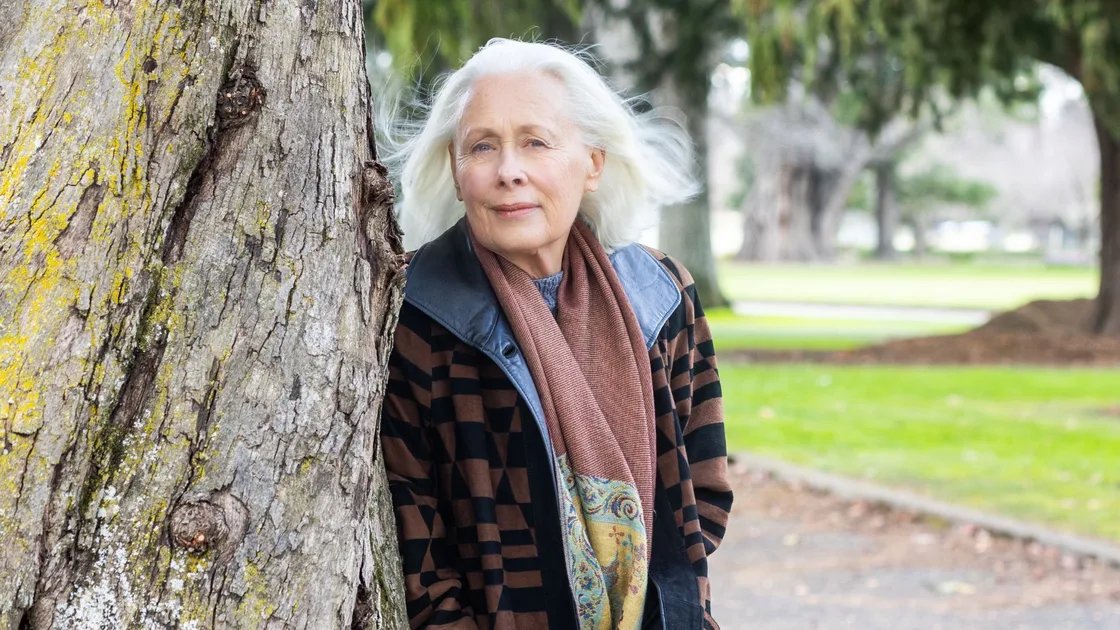
Dame Robin White (Ngāti Awa) is a renowned painter and printmaker. A graduate of the Elam School of Fine Arts, Robin, 79, has lived and worked in various locations, from Bottle Creek to Portobello and Kiribati to Masterton. This year, Robin features in the documentary Grace: A Prayer for Peace, a stunning cinematic journey by acclaimed filmmaker Dame Gaylene Preston.
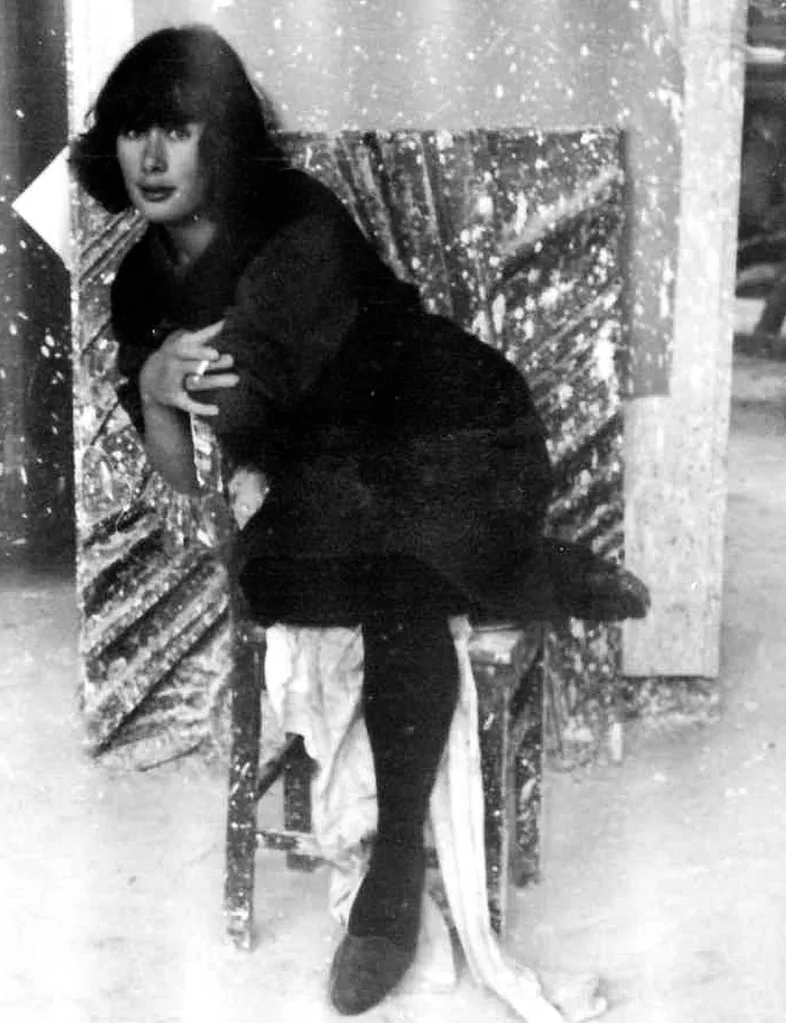
I’m the youngest of seven, but I was like an only child. Dad
Was in his mid-fifties when they had me and Mum was in her forties. My brothers and sisters had mostly left home by the time I came along, so they were more like aunties and uncles. I’m 79 now – the last one standing.
We moved around a lot when I was little, from Kerikeri to Whanga¯rei and Mount Maunganui, probably because Dad was a builder.
He was a very skilled carpenter and cabinetmaker, who could build an entire house. He was also a fantastic gardener and we’d purchase properties that needed fixing up. He’d get them looking wonderful, then we’d move on.
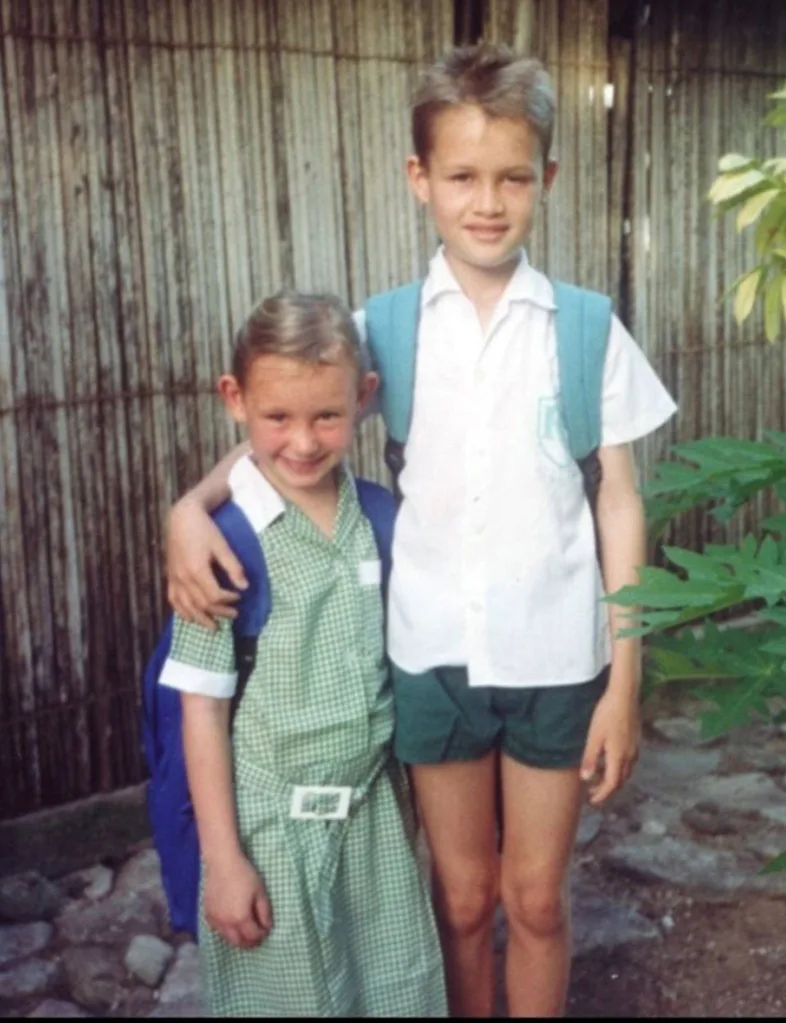
When I was four, we moved from Birkenhead to Epsom
because Dad wanted me to go to a really good girls’ school, which is how I went to Epsom Girls’ Grammar for form three. That was a really important year because I found my feet in the art room, where I had an excellent art teacher. I knew her as Mrs Hardcastle but she was a well-known artist who went by the name May Smith.
My father’s itchy feet got the better of him and we moved to Raglan.
We bought a section with a single garage that we lived in while Dad built our house. It was right on the edge of the estuary that runs alongside the airstrip and I pretty much lived outside. I’d be at the beach, rowing around in the dinghy, going fishing or hanging out down at Te Kōpua. My teacher at Raglan District High School, Fergus McGrath, wasn’t trained as an art teacher but he was kind, thoughtful and encouraging. He did paintings on black velvet and he let me explore whatever I wanted to, and somehow I got School Certificate art.
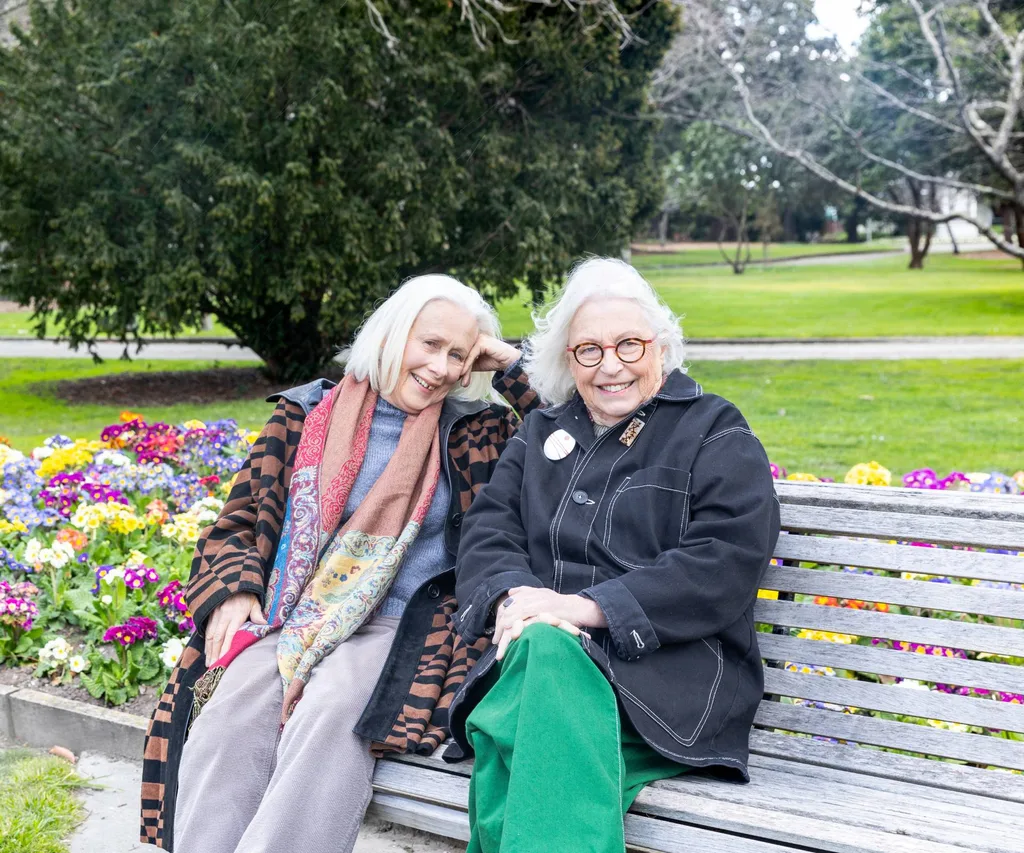
I returned to Epsom Girls’ as a boarder for my last two years of school.
Being back in the art room with Mrs Hardcastle was fantastic and she was instrumental in getting me to Elam. My parents were also supportive. Dad’s advice was to ‘aim high’. It didn’t matter what I chose, so long as I was serious and committed. My mother’s advice was to stay independent. To get a profession before getting attached to a bloke, so I was never dependent on anyone.
Dad fought in the trenches in France in World War I.
Those experiences led to a profound commitment to exploring ways for humanity to resolve disputes without engaging in devastating wars. His quest for a peaceful world saw him and mum become Bahá’ís in 1948. This had a major influence on me because the Bahá’í Faith gives paramount importance to the education of girls.
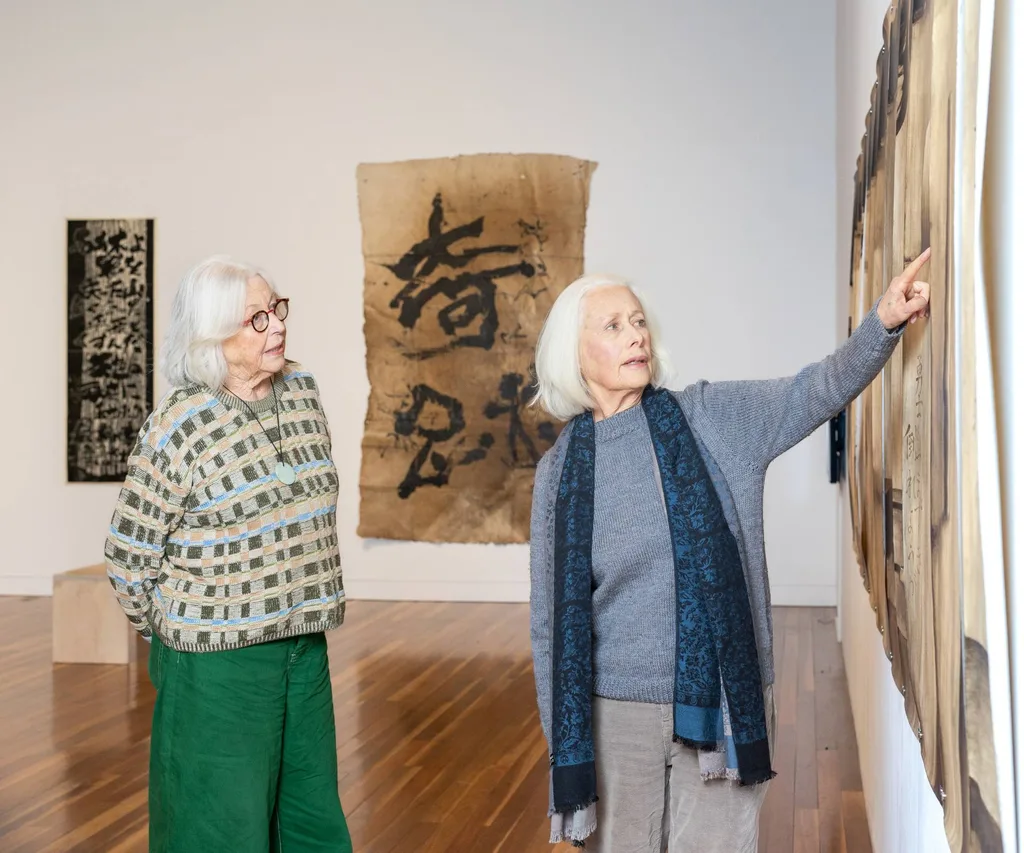
I never saw any impediment in being a woman and my father ensured I learned the value of hard work.
Maybe I wanted to read a book or hang out with friends, but he’d say I was needed in the garden. My father also taught me things like how to use and care for carpentry tools. When I moved to Auckland, he gave me a hammer, a nail punch and a plane, which came in handy when I lived in creaky old wooden digs.
I met Sam Hunt in 1968 at a university arts festival. I was in a play and he’d come from Wellington to read poetry.
We crossed paths at a party and a correspondence ensued. He said I needed to get out of Auckland, that he’d find me a place in Bottle Creek. By 1969, I was living in a corrugated iron shack next door to Sam’s place and it was the very best thing, as I taught art at Mana College and painted in my little shack in my spare time.
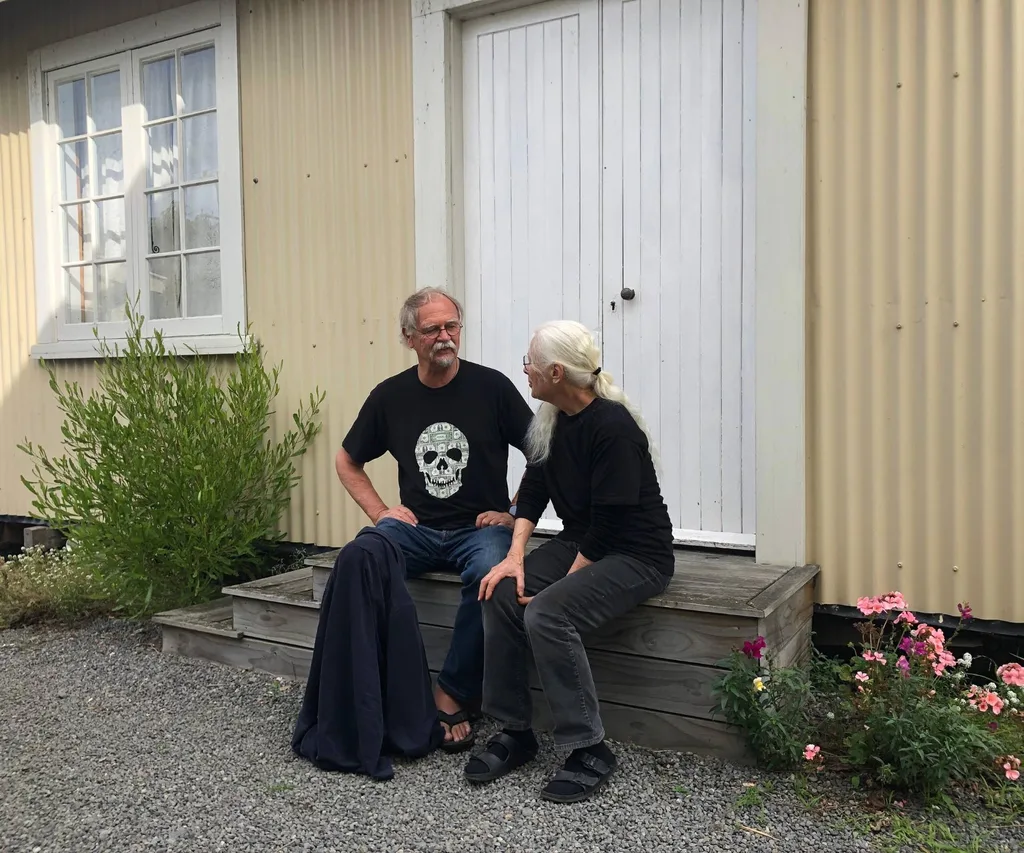
When the shack became too small and I couldn’t find anywhere else on that beautiful Paremata Harbour, Sam and I took a road trip.
It was 1971, the August school holidays. Sam had read James McNeish’s Mackenzie, so we swung through there in my VW Beetle before fetching up in Dunedin. I liked the place, so I bought a trailer and hitched it to my VW and took the ferry to Lyttleton at the end of that year.
I saw a house for sale in Lower Portobello soon after I arrived and within a week, it was mine.
It was listed for $2200, but I took a builder to look at it. He said it would cost $700 to fix the dry rot, so I got it for $1500. It wasn’t flash but it was perfect for me. Looking over the harbour, it had an outside long drop and lovely light. It was also pretty cold, but I was young and tough.
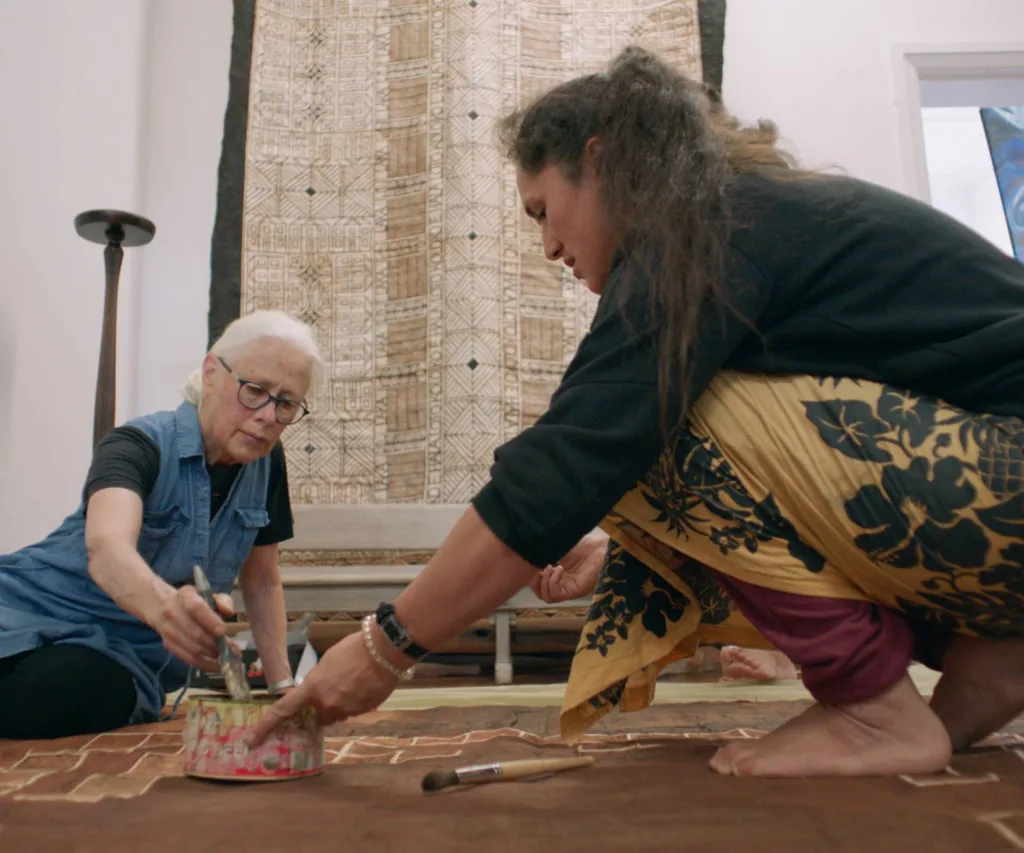
It was there I met Michael Fudakowski. He was Polish, raised as a Catholic and he’d become a Baha’í.
I was attracted to him because he was interesting to talk to and a few months later, we were married. I also liked his taste in music.
There’s a start, isn’t it?
He was a poor student at the time, so I purchased all his Rolling Stones records because I needed records and he needed the money. We’ve been married now for more than 50 years.
When our son Michael was eight, we were offered an opportunity to move to Kiribati, so we sold up.
We don’t have missionaries in the Bahá’í Faith. We’re just fellow compatriots working together. My attitude was, ‘We’ll find out what’s wanted of us when we get there. The I-Kiribati will indicate how they’d like us to help with whatever it is they’re doing.’
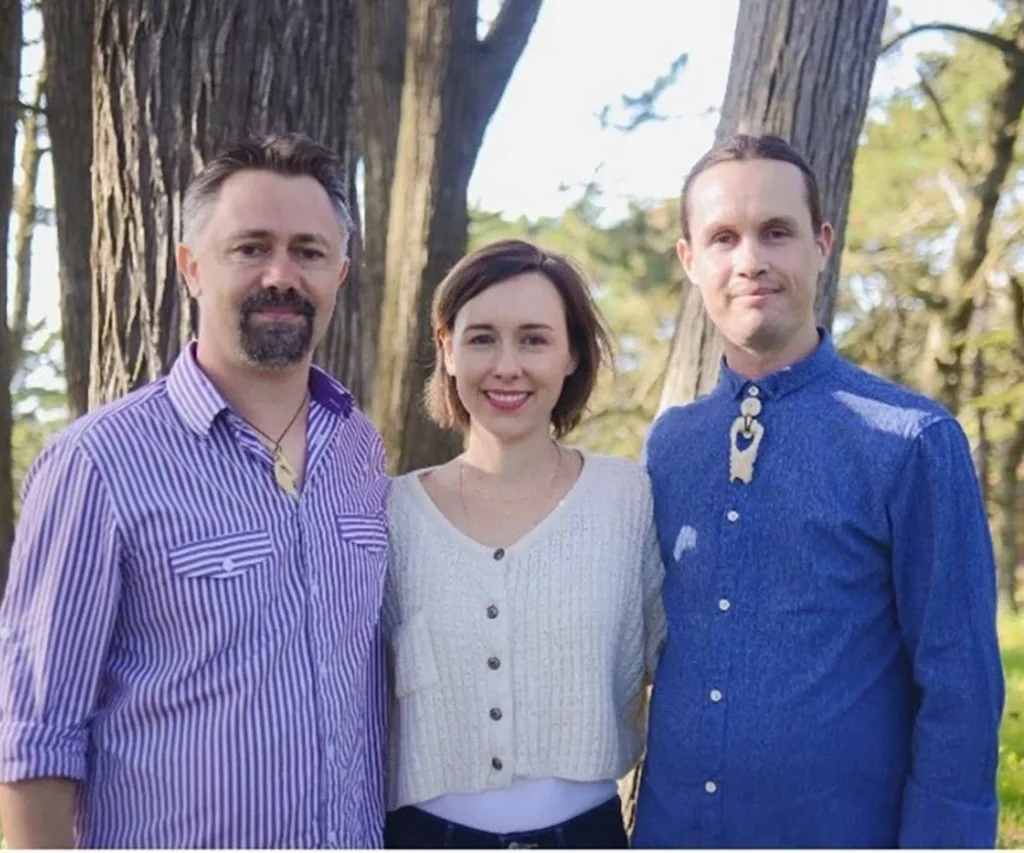
The friends I made on Kiribati had a profound effect on me and my work because an atoll is so minimal.
The islands are thin strands of coral surrounded by vast ocean, with the endless sky above. There is a sense of immense space. Wherever you look, you can see the horizon, which opens your head
and your imagination.
An atoll is also a very fragile environment.
It doesn’t offer huge variety in terms of nature – trees, fruit and flowers – but the I-Kiribati use what they have in the most creative ways. Their arts are finely honed, and they’re great storytellers, wonderful dancers, poets and musicians. They’re brilliant weavers with pandanus and their buildings suit the climate.
Kiribati culture is very sophisticated and finely tuned to maintain harmony. Manners matter a great deal.
There is respect for personal space and one another because there’s nowhere to go if you don’t get on with your neighbours. I’m forever grateful for that time.
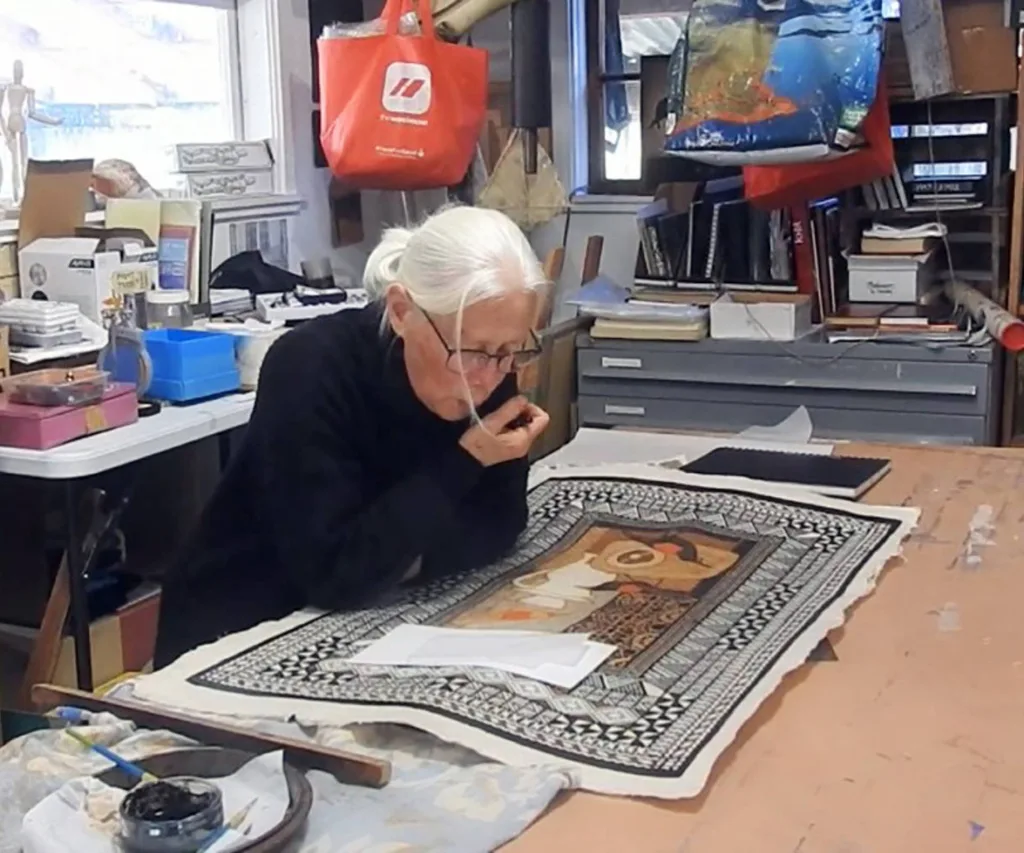
I discovered a great joy in working collaboratively in Kiribati after a house fire took away everything I relied on for my art practice.
A fire truck did come, but by the time it arrived, there was nothing to save. I carried on using only what was available on Tarawa, but what I did have was an idea and friends with skills I didn’t have. So I went to Te Itoiningaina, the Catholic Women’s Training Centre, and showed my friends there some rough drawings – I still had photocopy paper and felt tips – and I asked if those pictures could be woven into pandanus leaf mats. They said, ‘Yep, grid it up,’ and that was the beginning of a series of woven mats.
That wasn’t just about work. There was conversation, laughter and fun.
There was lots of eating, storytelling and boiling of the kettle. I look at those works and I sense the richness of that experience, and that’s what got me hooked on working collaboratively.
Collaboration is more than just working together to produce art.
It’s about crossing boundaries of culture and language, whoever we are and whatever we do. It’s about building relationships and strengthening friendships. There is value in that way of being. Of knowing how to learn about each other and enjoy the process of working together.
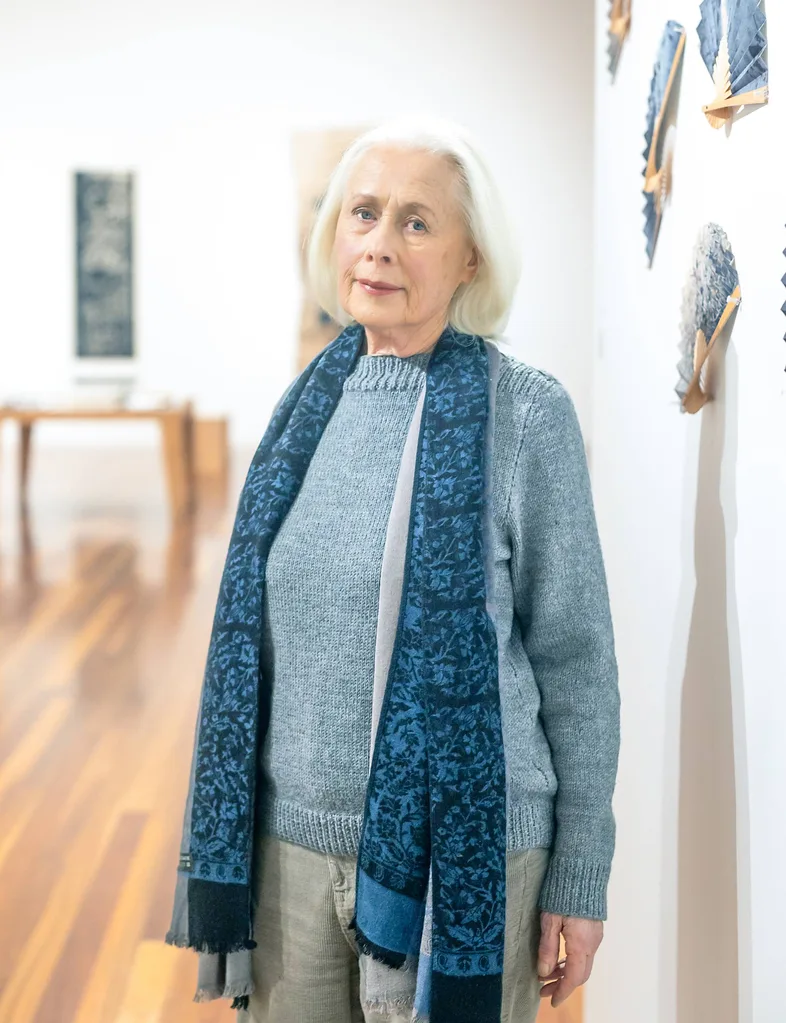
Grace: A Prayer for Peace was a collaborative effort.
People often ask what was it like being filmed. Did I feel vulnerable having a camera follow me around?
But it wasn’t like that because Gaylene started while I was working in Auckland with Ebonie Fifita and her friends. A gathering of Pacific Islanders housed and working together at Laka in Ōnehunga. There was an atmosphere of fellowship and collaboration, of people coming and going, working together. It was like village life, and Gaylene and her camera were part of that, not a separate element.
It’s not a traditional plot-driven documentary or a biopic.
Gaylene calls it a visual poem, and I see it as a work of art that you can see again and again, and each time it gives you something more.”
Grace: A Prayer for Peace is in cinemas nationwide from September. For screenings, see graceaprayerforpeace.nz
Related
[ad_2]
Source link