
[ad_1]

While many things about museums have changed over the years, and many more are changing now, the growth of their permanent collections has remained a constant. The average museum collection expands by as much as 2 percent per year. That may not sound like a lot, but it means they double every 36 years. The result is that the collections museums celebrate are increasingly not seen by the public, relegated to storage while imposing untold financial costs on museums—and untold environmental costs on the public—forever.
Steady growth of collections means that as little as 4 percent of a museum’s art is on exhibit at any one time—a percentage that will inevitably decline as collections grow. As early as 1988, art storage costs for the largest American museums were estimated at $300 million; with inflation and a doubling of collections since then, the current cost might well exceed 50 percent of museum operating budgets. As much as 60 to 70 percent of museum energy costs may relate directly to the costs of HVAC systems and climate control essential to preserving the museum’s collection
It’s only a matter of time (if that time has not arrived already) before museums will reach a tipping point, where the inexorable growth of collections, and the ongoing commitment to safely refrigerate, secure and preserve them in perpetuity, will exceed the museums’ ability to serve its public-facing mission. When a museum is spending more money on storing its art and objects than engaging the public, it has reached the point where mission alignment meets mission neglect. Museums need new models for how to own and share their collections.

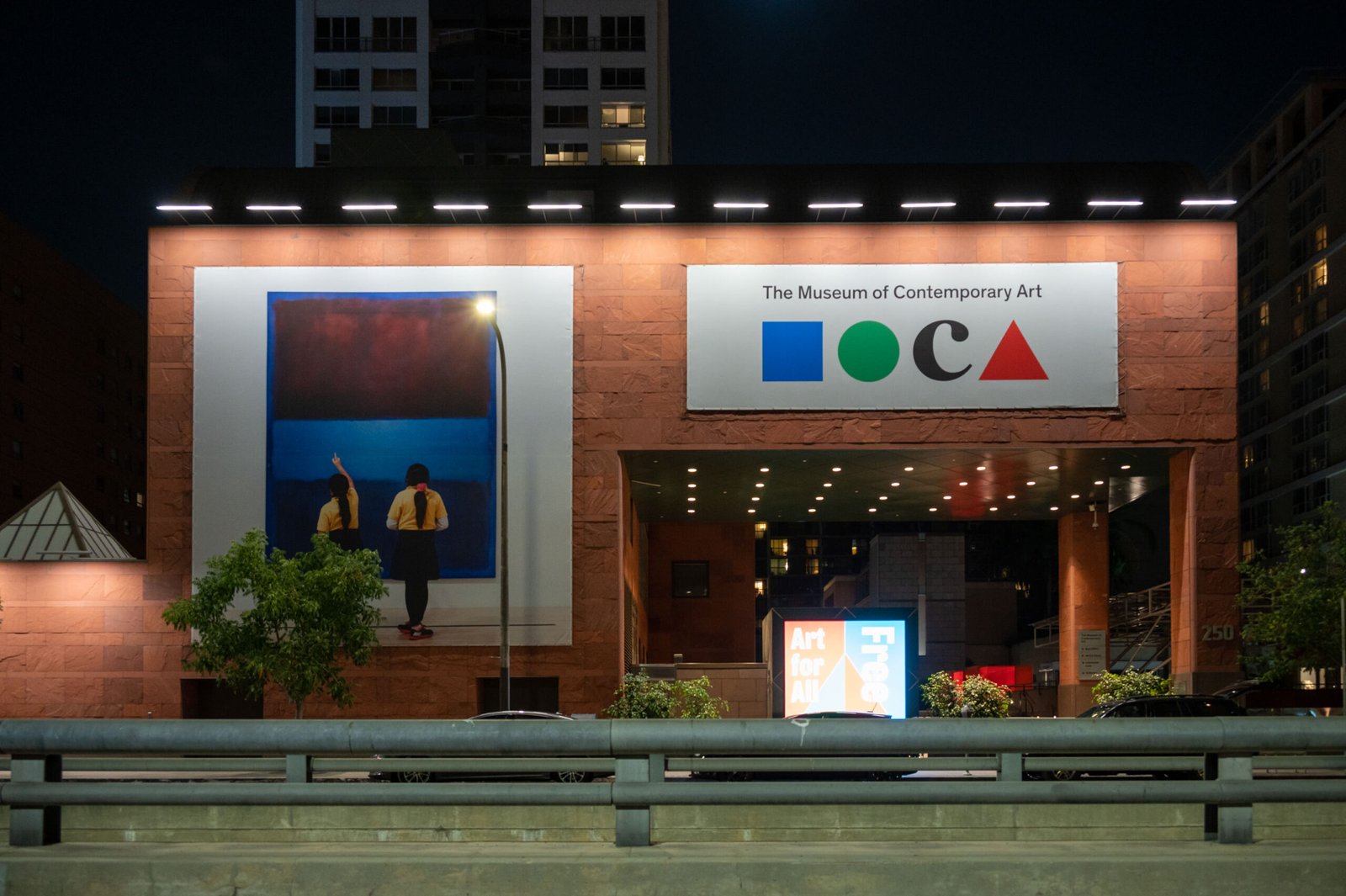
In August 2024 in Los Angeles, collectors Jarl and Pamela Mohn announced The Mohn Art Collective, a partnership where nearly 300 works from their “Made in L.A.” collection of emerging regional artists would be co-owned by the Los Angeles County Museum of Art (LACMA), the Hammer Museum and the Museum of Contemporary Art (LA MOCA)—collectively known as MAC3. The Mohns will fund and staff a building where the collection can be stored and seen (when it is not on display in one of the partner museums or on loan to others), and they have created an endowment that curators from all three museums will collectively use to continue adding to this shared collection.
This collaboration is truly unprecedented. I know of no other example where three museums have agreed to share ownership of a large collection, nor where curators from so many museums have committed to expand a shared collection together. The result: a growing collection of work that will be seen more by more people in more places, in perpetuity.
Museums have long been attached to the idea that they need to own 100 percent of the art they collect. While sharing digital art has become increasingly common (because two museums can both own copies of the work and simply agree to exhibit it at different times), museum concepts of ownership—matched by standards of care that view art transportation more as a risk than a benefit—leave them wary of owning paintings together. And collectors don’t always help, gaining not only tax deductions but sometimes also commitments that their gifts will always be on display. The result is not just an unsustainable combination of financial and environmental burdens but art that is rarely shared with others.
Changing models of ownership also changes the ways that museums work together, with results we are only just beginning to understand. In the recently announced LA Arts Community Fire Relief Fund—created by a coalition of major arts organizations and launched by the Getty Foundation to support artists and art workers impacted by the Los Angeles fires—the Mohn Art Collective (representing all three partners) was a lead donor. The three museums took their next collective step in February at Frieze Los Angeles, where they jointly selected two works by artists Edgar Arceneaux and Shaniqwa Jarvis as the first new additions to the MAC3 collection since it was established last year.
Joint ownership of art is not just good for the public (more of whom see the art in question); it is good for museums, which will benefit from new modes of collaboration. When Crystal Bridges Museum of American Art (where Remuseum is housed) purchased a 50 percent interest in the Alfred Stieglitz Collection owned by Fisk University in Nashville, the proceeds helped Fisk restore the art, which rotates between the two institutions every two years. And a strong partnership between the two museums continues. They are together preparing a joint publication about their shared collection, something that would not have been possible by Fisk without Crystal Bridges’ investment, or by Crystal Bridges without Fisk’s art.
You only have to read their annual reports to appreciate that any museum’s greatest measure of success appears to be the growth of its collection. While there are important reasons to add to museum collections, from incorporating the work of underrepresented artists to filling gaps in the existing collection to adding contemporary perspectives, there are also a lot of costs. Those costs accrue not only to the museum itself but also to the public. Sharing collections between institutions benefits collectors and donors (who want their art to be seen), the public (who get to see more art) and museums in ways we are only just beginning to understand. As L.A. begins rebuilding, let’s also look to it, and to the spirit of generosity and collaboration in such evidence there, for models to share more art in more ways with more people.
[ad_2]
Source link