

The value of the global collectibles sector is set to reach US$484.6 billion by the close of 2025, according to the “Collectibles Industry Report (2024–2034)”, published by Market Decipher – indicating an annual growth rate of 9.2 per cent. The report says that this boom is fuelled by millennial and Gen Z collectors turning passion into portfolios. But in a world where collectibles such as rare whisky, blue-chip art and vintage timepieces are prized as much for their stories as their yields, the true cost of entry is more than monetary – these investments require vigilance, expertise and the subtle art of stewardship.
John Wong, sales and marketing director of HK at Cask Trade, recounts the necessary steps in receiving precious casks of whisky from clients – from comprehensive provenance checks and condition assessments to ownership documentation.
“If required, delivery orders are issued to customers at their designated warehouses should they have existing accounts. Individual accounts can also be opened at our warehouse, though this is not required to prove legal ownership,” he explains.
The deal goes through only when a Scotland-based distillery’s own records confirm a cask’s journey. Furthermore, Cask Trade stores its casks exclusively in licensed Scottish bonded warehouses in accordance with His Majesty’s Revenue & Customs (HMRC) compliance.
When a client wants to cash in on their investment, Cask Trade has them covered on that front too. “We guide each client in choosing the most suitable exit strategy,” Wong adds, “whether through private sale, consignment, bottling or auction via our sister platform, which hosts quarterly cask auctions.” This involves advising on the optimal time to sell, accounting for market trends and milestones such as a cask’s age statement.
In his world, painstaking authentication is essential – a lesson reinforced as rare whisky investment volumes reach unprecedented highs, according to Global Growth Insights (GGI). Japanese whiskies, in particular, are continuing their success story.
“By 2024, the global Japanese whisky market was valued at US$923.34 million, with projections suggesting it could grow to US$1.81 billion by 2033, reflecting a compound annual growth rate of 7.76 per cent,” GGI reports.
Many successful transactions show evidence of a sharp generational turn, with nearly half of new collectors now aged 25 to 45, bringing their own digital acumen and appetite to the table.
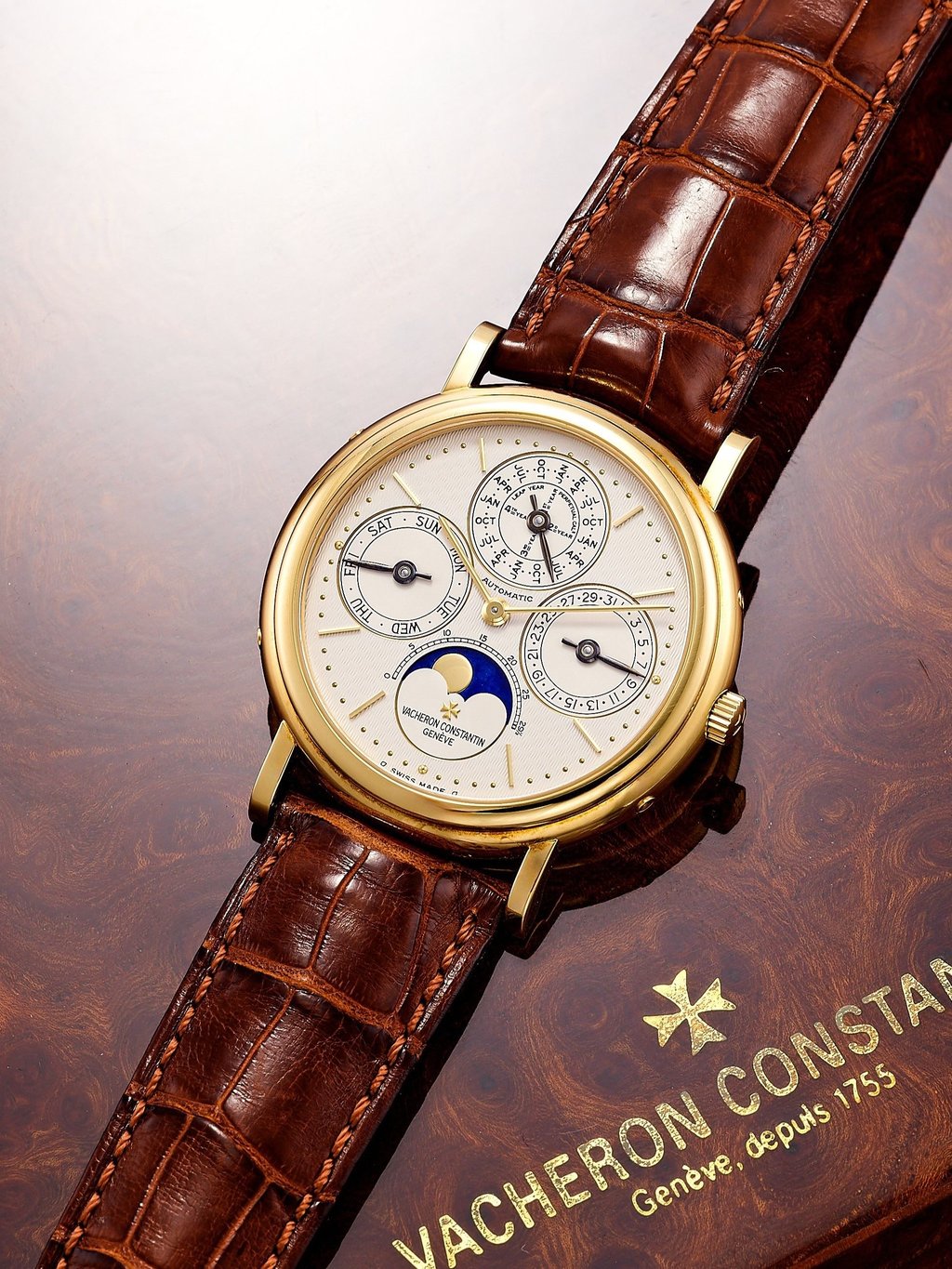
Vigilance is just as vital in horology. According to the Federation of the Swiss Watch Industry, Swiss watch exports totalled 12.3 billion Swiss francs (HK$118.2 billion) in the first half of 2025, only down 0.1 per cent on a year earlier despite significant headwinds globally.
Many successful transactions show evidence of a sharp generational turn, with nearly half of new collectors now aged 25 to 45, bringing their own digital acumen and appetite to the table
While the world’s best timepieces command high prices, Sharon Chan, international director, Asia at Bonhams, has witnessed the promise of a gleaming vintage Rolex collapse under scrutiny when expert hands discovered non-original components that could cripple its value. Her team’s approach in such cases is thorough and precise: watches destined for auction are examined for hidden flaws in movement, dial and case, and scrutinised for genuine certificates and original packaging. Bonhams’ watch specialists combine forensic skill with hi-tech analysis and manufacturer consultation, knowing that up to 30 per cent of pieces brought in for consignment show some degree of alteration. Bonhams does not rely on appearances – every detail, from bracelet clasp to lost property register, serves as a clue in the search for true provenance.
“When clients entrust their watches to Bonhams, each piece undergoes a rigorous authentication process,” Chan says. “Due diligence is critical. We work with the Art Loss Register to verify that the watch is neither stolen nor disputed.”
Still, all being well, the auction house can simplify the process. “Bring us your watch, and our expert team will handle everything – from authentication and valuation to preparing it for sale,” Chan says. That’s coupled with a security system that takes safeguarding to the next level, she explains. “Each watch is documented upon arrival, individually protected with suitable materials or boxes, and securely stored in our vaults. We use a barcode system and scanners to track every item, ensuring it can be located at any time. Once sold, watches are stored in our vaults for up to 14 days at no charge. During this time, items are fully insured and monitored with 24/7 video surveillance.”

The world of fine art has adopted similar measures. At Hauser & Wirth, senior director Lihsin Tsai welcomes works like an archivist greeting a masterpiece, with staff checking every detail for signs of forgery or gaps in provenance.
“Every work that enters our care goes through a meticulous intake process. Our registrars first verify shipment details and assign each piece a unique identifier before it is photographed under controlled studio lighting,” says Tsai. “We record all technical information, including dimensions, medium, inscriptions, provenance and any relevant documentation, and integrate it into our internal collection management system.”
The gallery also examines the piece’s historical context and any relevant market intelligence in order to support informed acquisitions.
Storage, regulation and risk management form the backdrop of every asset’s journey. For collectors, there is little margin for error – global regulatory changes and shifting standards mean every acquisition should be reviewed through the lens of current compliance and best practice.